/
Emergency Information and Resources

Emergency Information and Resources

Clear and accessible emergency information shared through trusted channels.
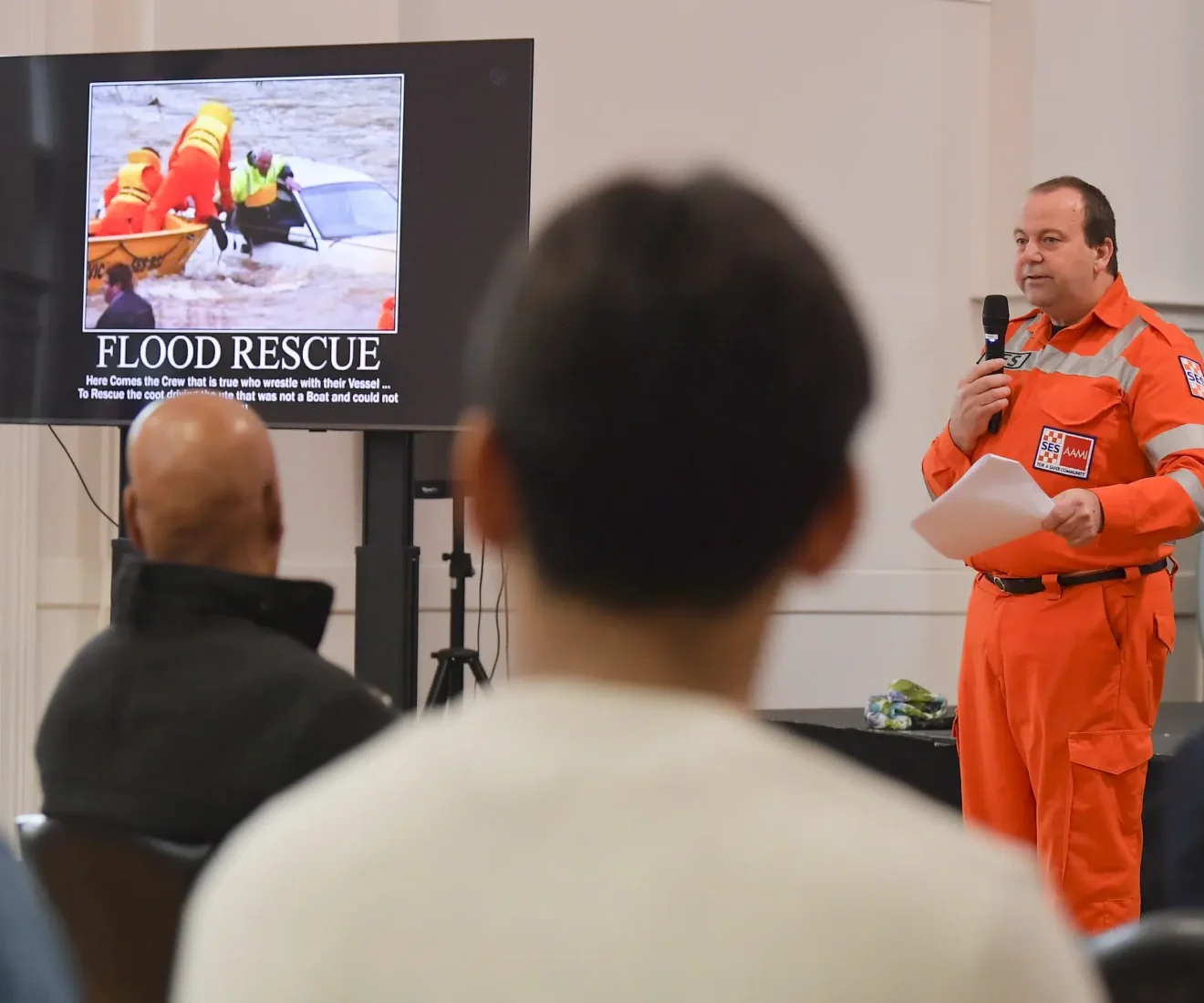
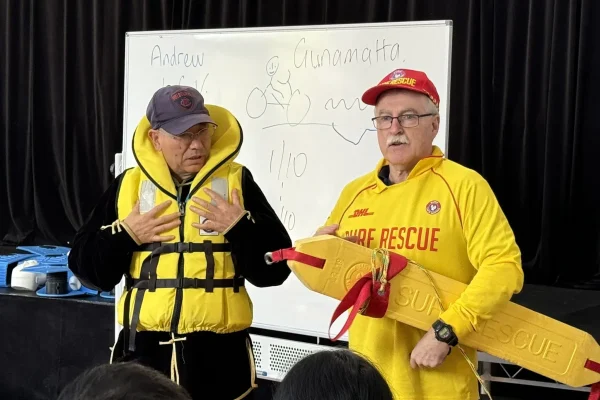
SES flood rescue training presentation.
BRMC supports people from diverse cultural backgrounds to access timely and reliable emergency information, including in languages they understand.

Information may be shared in English, translated formats, or through other accessible approaches such as audio, video, or community messaging.

BRMC maintains regular communication with communities during emergency periods, including sharing information through social media, community networks, and digital platforms such as WhatsApp and WeChat. BRMC also works with emergency services and government partners to improve how emergency information is developed and shared with diverse communities.

Activities

  • Development and sharing of clear emergency information, including multilingual and accessible formats
  • Community messaging via social media and digital platforms
  • Audio, video, or in-language messages developed with community input
  • Supporting services to communicate effectively with diverse communities


Ambulance

When to call 000, and how to make sure you are covered.

Ambulance Victoria

Need an ambulance? Call Triple Zero (000)Say “Ambulance”. Not sure if it is an emergency? Call anyway. The call is free.

Call 000

Call 000 straight away if someone has:

Chest pain or tightnessTrouble breathingPassed out or will not wake upBad bleeding that will not stopSudden numb or weak face, arm or legA serious accident or large burns

When you call, tell them:Where you are, what happened, and if the person is awake and breathing. Stay on the phone until they tell you to hang up.Need an interpreter? Say your language and they will connect you. Deaf, hard of hearing or can’t speak? Call 106 on a TTY or use the National Relay Service app.

Get ambulance coverMedicare does not pay for ambulances. Without cover, one trip can cost about $1,400 in Melbourne and over $2,000 in country areas.

Single$56.47a yearFamily$112.95a year

You may already be covered for free if you have a Pensioner Concession Card or a Health Care Card. Some private health insurance also covers ambulance. Check your policy.

Prices from Ambulance Victoria and may change.

Not an emergency, but need help now?


Stay informed

Get warnings from official sources. Do not rely on social media posts or messages passed around.

VicEmergency app

Free to download. Add your home, work and school as "watch zones" to get alerts.

VicEmergency website

In your language

Call TIS on 131 450 and ask them to call the VicEmergency Hotline. It is free.

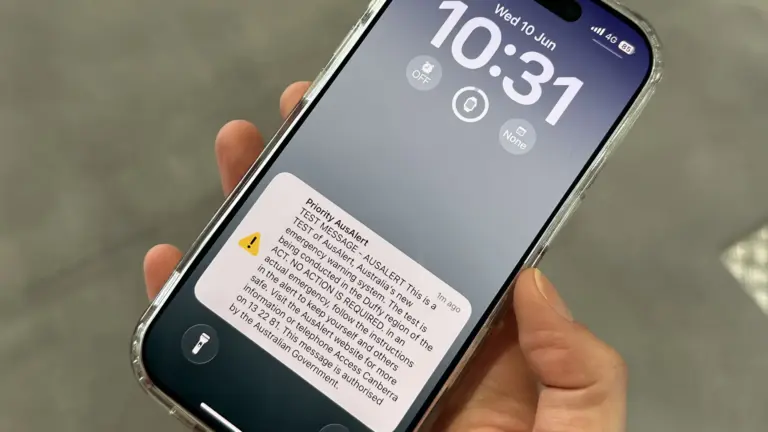
A phone screen showing an AusAlert emergency message

NEW

AusAlert phone alerts

Since 1 October 2026, AusAlert sends emergency messages straight to your phone. Critical alerts make a loud siren sound, even when your phone is on silent.

The message is real. It is not spam. Read it and do what it says.


The three warning levels

Warnings get stronger as the danger grows.

Advice warning icon

Level 1Advice

Something is happening. Stay up to date.

Watch and Act warning icon

Level 2Watch and Act

Things are changing. Get ready to act now.

Emergency Warning warning icon

Level 3Emergency Warning

You are in danger. Act now.


Get ready

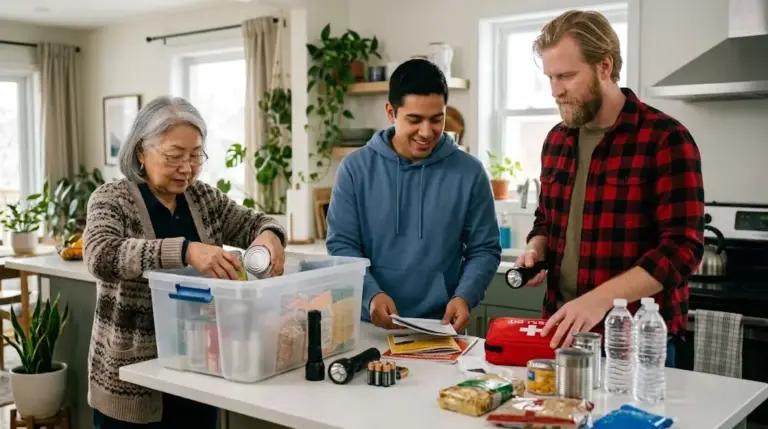
A family sorting emergency supplies together at home

Make a plan
  • Where will you go if you need to leave?
  • Where will you meet your family?
  • Who will you call?
  • Who will pick up the children?
  • Who needs extra help, like older people, children, people with disability and pets?

Write it down and keep it on the fridge.

Get Prepared app: iPhone · Android

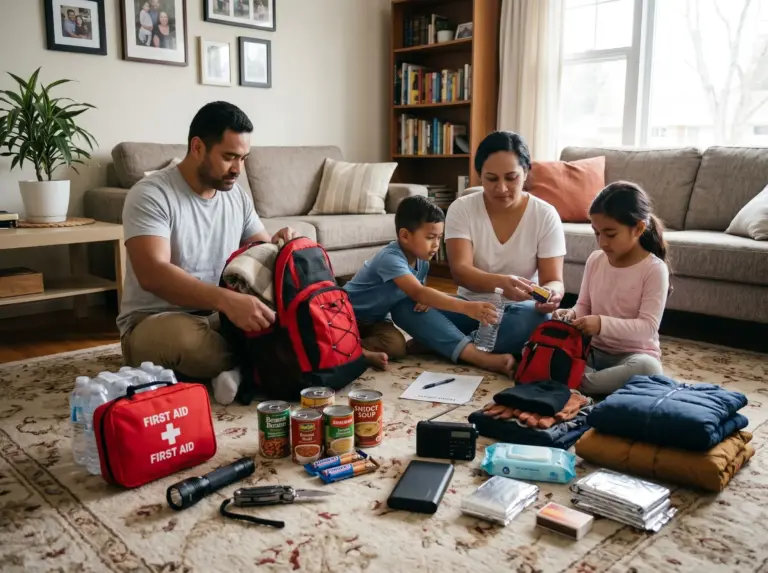
A family packing Go Bags with emergency items

Pack a Go Bag
  • Medicines and scripts
  • Copies of passports, visas and ID
  • Phone charger and power bank
  • Water and snacks
  • A first aid kit
  • A torch, battery radio and some cash
  • Spare keys for your home and car
  • Warm clothes
  • Important phone numbers on paper


Stay safe

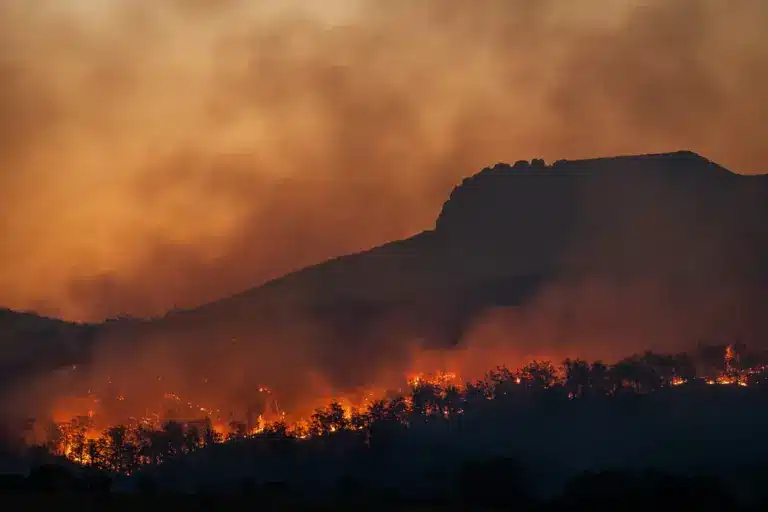
Bushfire burning on a hillside

Fire

Leave early. Do not wait for a warning. Check the Fire Danger Rating every day in summer.

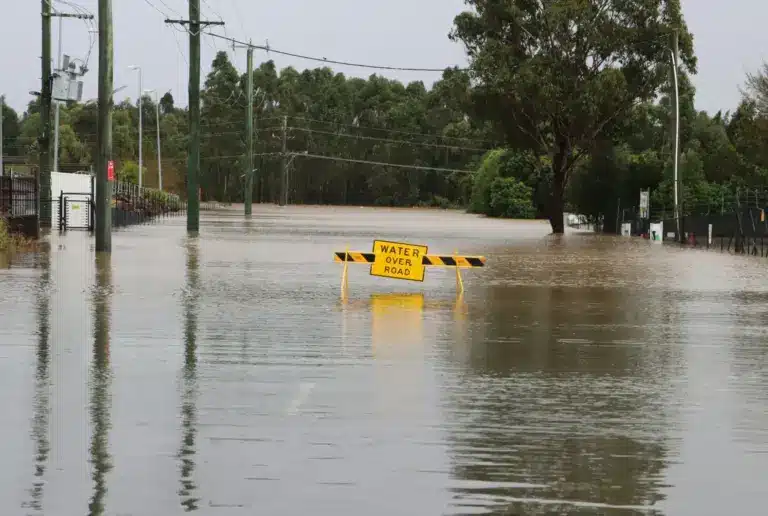
A flooded road with a warning sign under water

Flood

Never drive, walk or swim in floodwater.

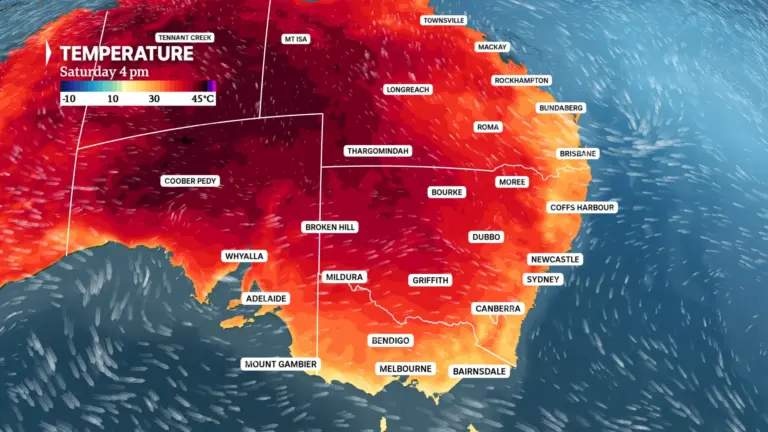
Weather map showing very high temperatures across Australia

Extreme heat

Drink water often. Stay somewhere cool. Never leave children or pets in a car. Check on older neighbours.

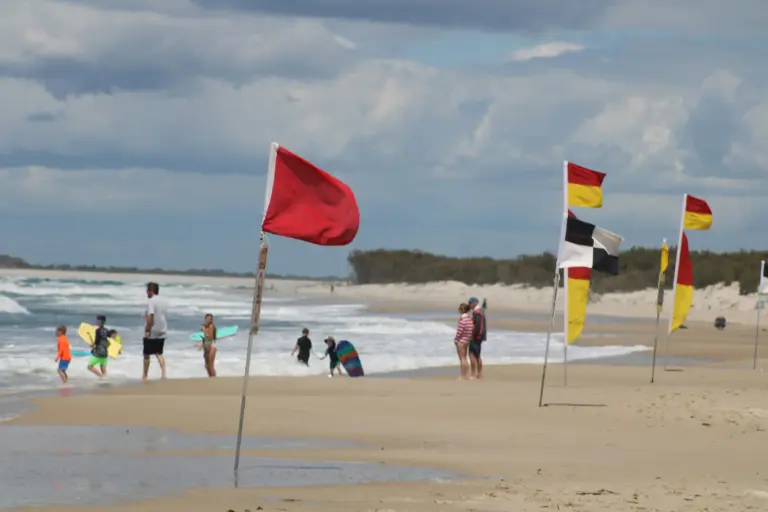
Red and yellow flags on a beach

Water

Always watch children near water, including pools, dams and rivers. At the beach, swim between the red and yellow flags.


After an emergency

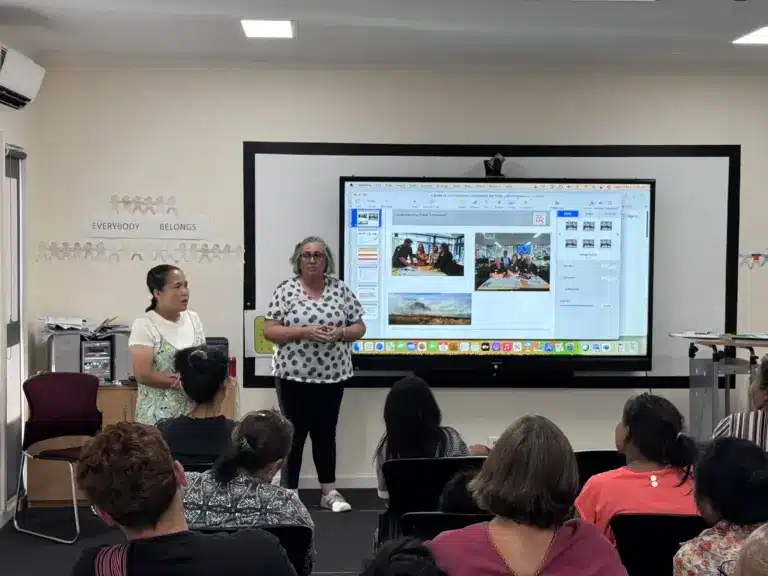
Community members at a BRMC information session

Only go home when emergency services say it is safe.

Feeling worried or upset is normal, so talk to someone you trust.

Not sure where to get help? Contact BRMC and we will help you find the right support.


Information in your language

Choose your language to see trusted information from Victorian emergency services and government. Tap a language to open it.

العربيةArabic · 6 resources
မြန်မာဘာသာBurmese · 3 resources
简体中文Chinese (Mandarin) · 6 resources
دریDari · 4 resources
ThuɔŋjäŋDinka · 2 resources
FilipinoFilipino · 2 resources
هزارگیHazaragi · 3 resources
हिन्दीHindi · 4 resources
ကညီKaren · 3 resources
नेपालीNepali · 1 resource
Thok NathNuer · 1 resource
فارسیPersian (Farsi) · 3 resources
ਪੰਜਾਬੀPunjabi · 5 resources
KiswahiliSwahili · 1 resource
Tiếng ViệtVietnamese · 6 resources
Other languages40+ languages

Can't find your language? Call TIS on 131 450 for a free interpreter, or contact us. We can help you find information or connect you with someone who speaks your language.

ListenBRMC Community Matters podcast

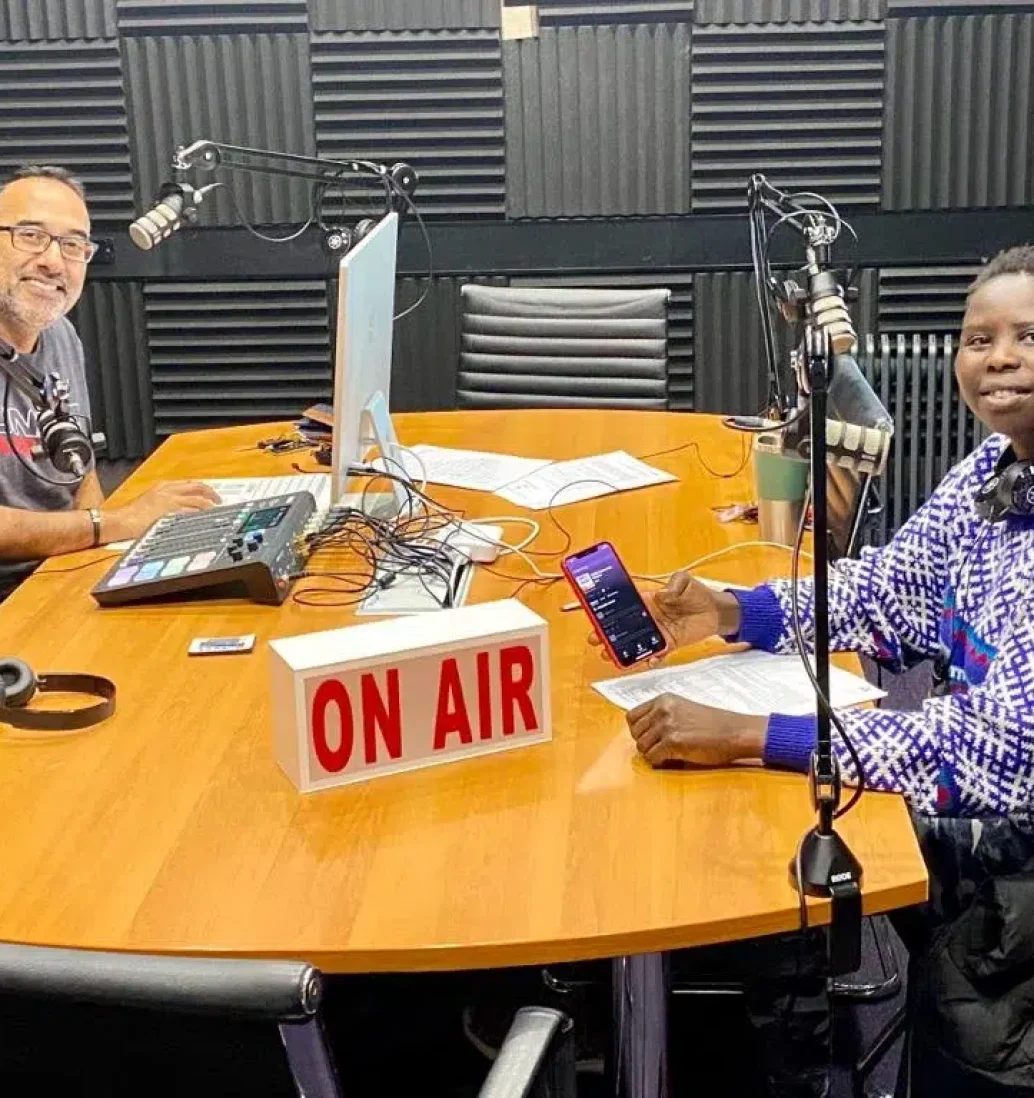
Listen to Nicole McGrath from CFA and Bobby Mehta from BRMC talk about how to get ready for emergencies.
BRMC in the community

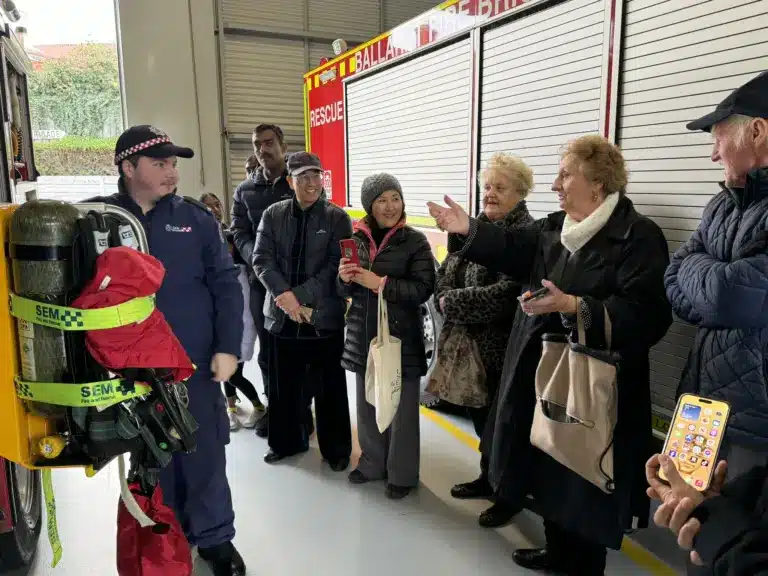
Community members meeting emergency services
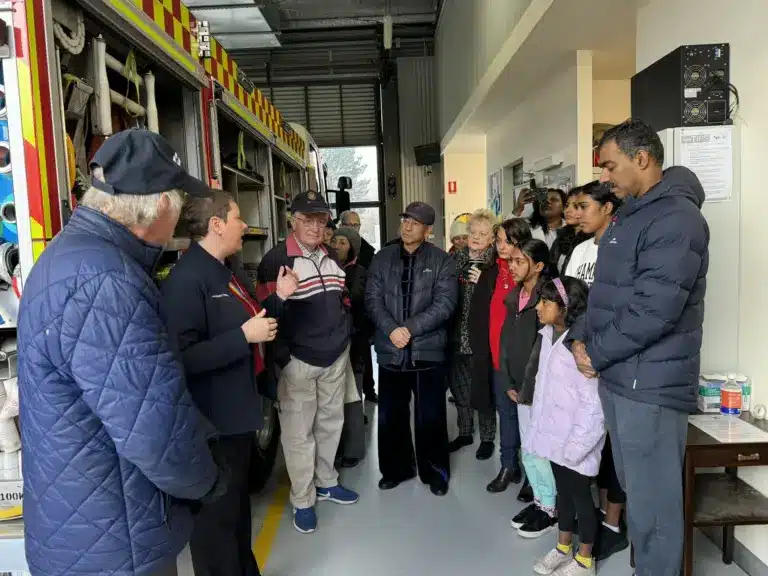
Community members visiting an emergency services station
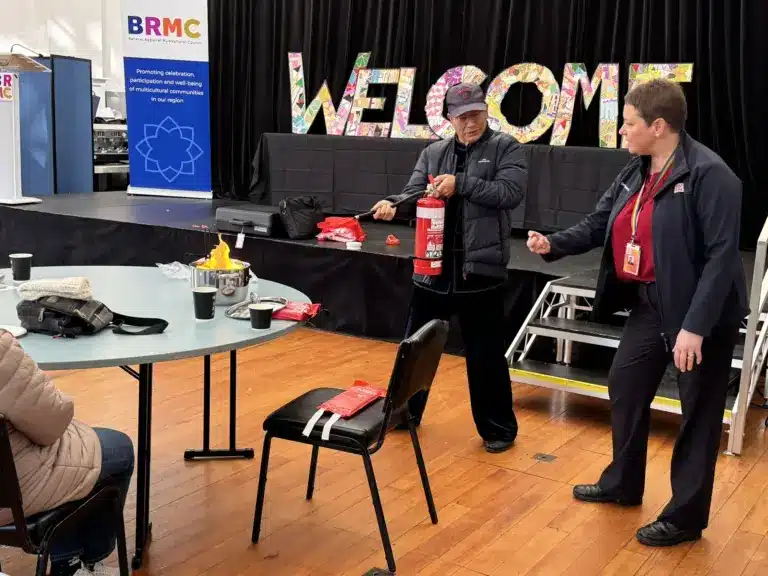
A BRMC community welcome event
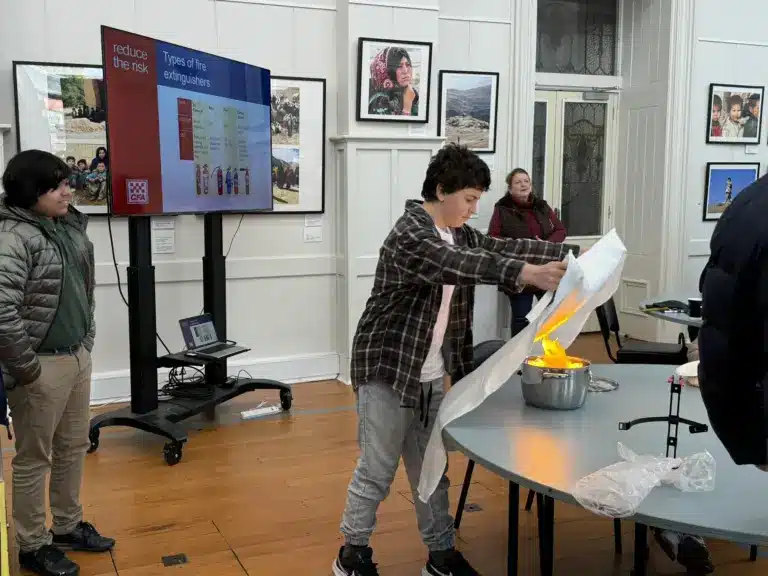
Community members at a hands-on safety session
Two people in radio studio with microphones.

Related Programs

Two men in safety gear at rescue demonstration.
Emergency Preparedness Community Education
Community education sessions that help people understand local risks and prepare for emergencies.